where vintage lenses live on.

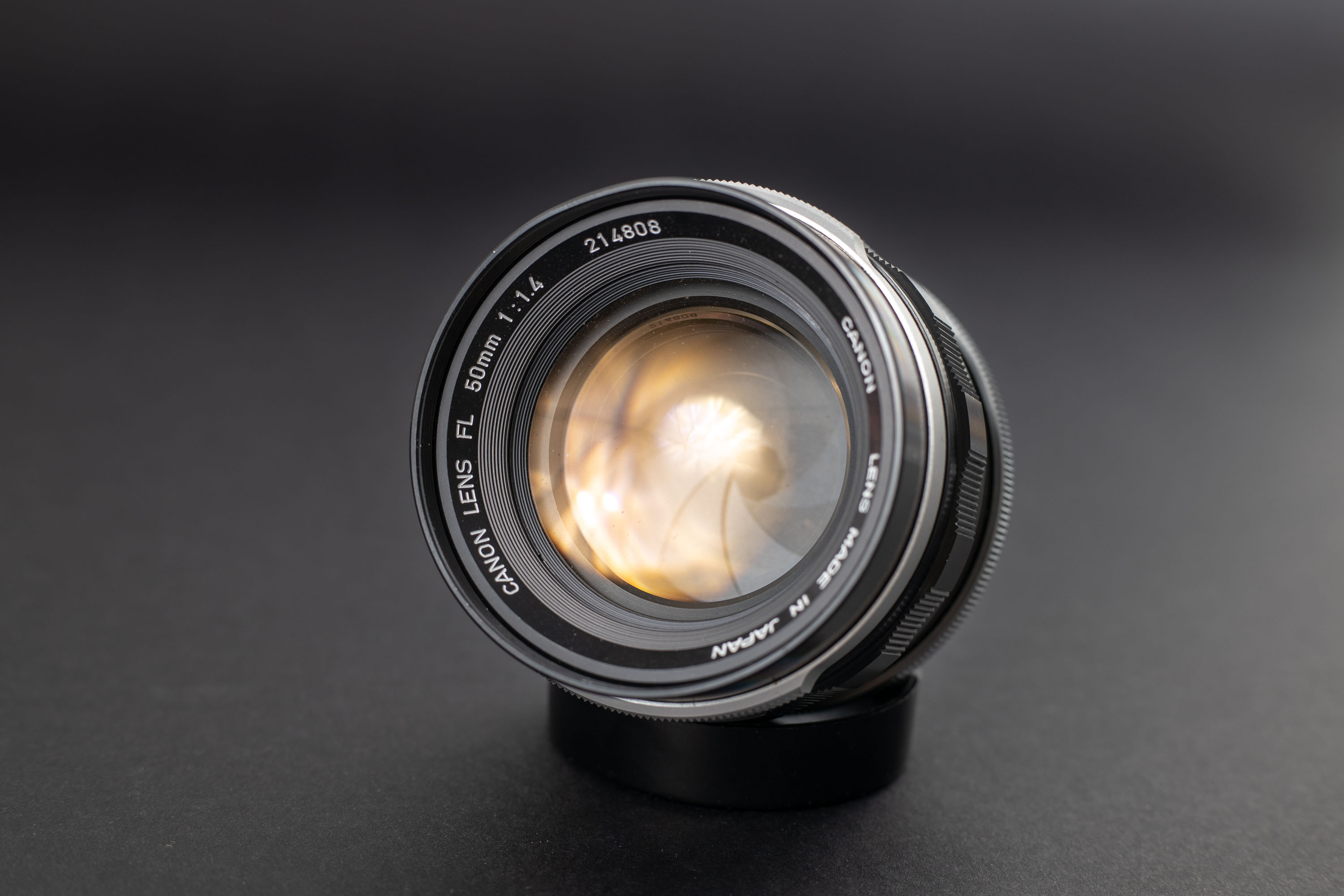
Canon FL 50mm f1.4
Home > Canon FL 50mm f1.4 Lens Review
Mantas Avatar

posted on

in

Canon FL 50mm f1.4 Lens Review

Canon FL 50mm f1.4 is a classic lens from 1966. I wanted to try this lens because the early Canon OM 50mm f1.9 gave me excellent results, and I wanted to see if these slightly later lenses would provide similar results. Due to their age, they fly under the radar of most vintage lens hunters, so prices are acceptable too. I obtained one in excellent condition, and I am pleasantly surprised and glad I bought it.
Features

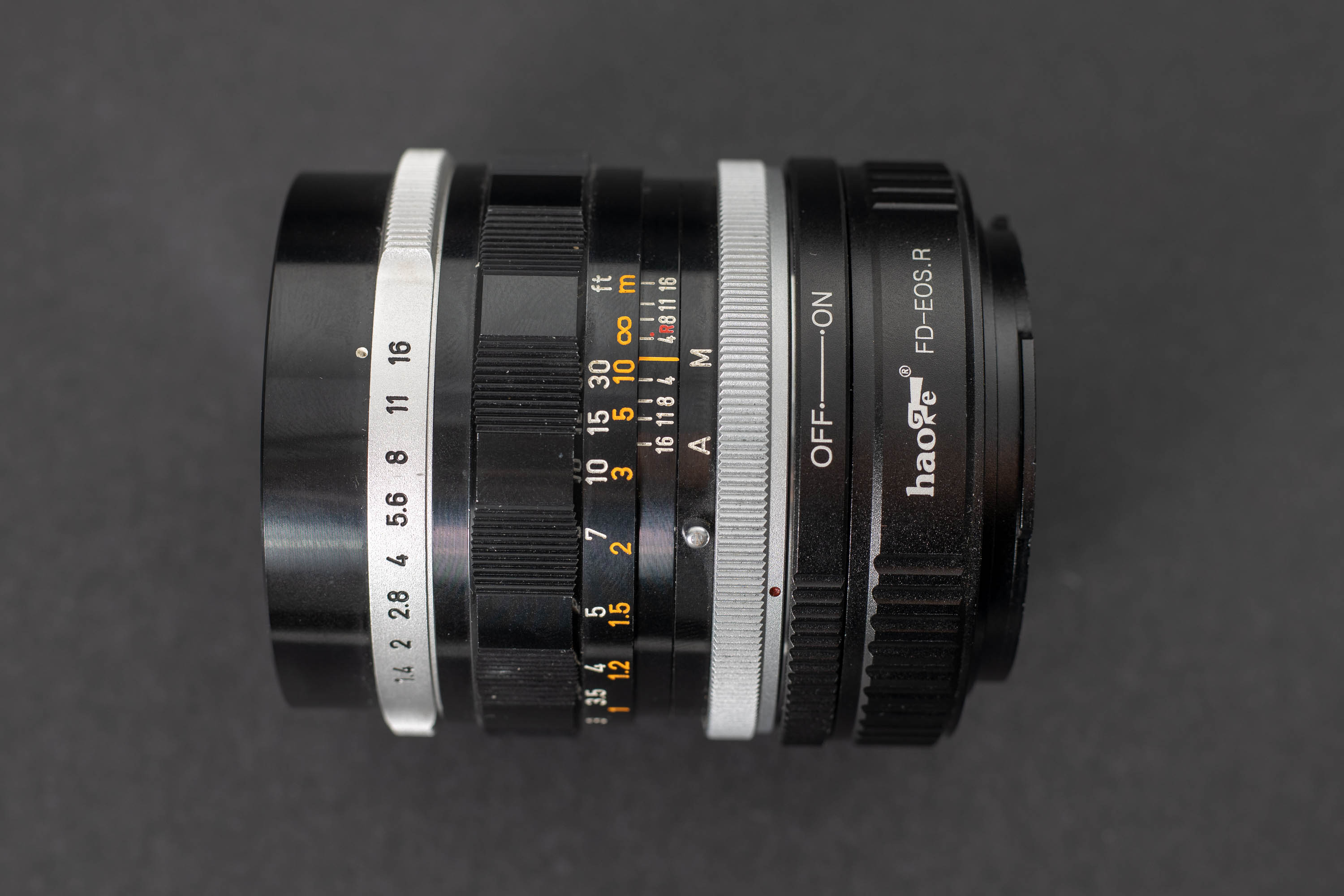
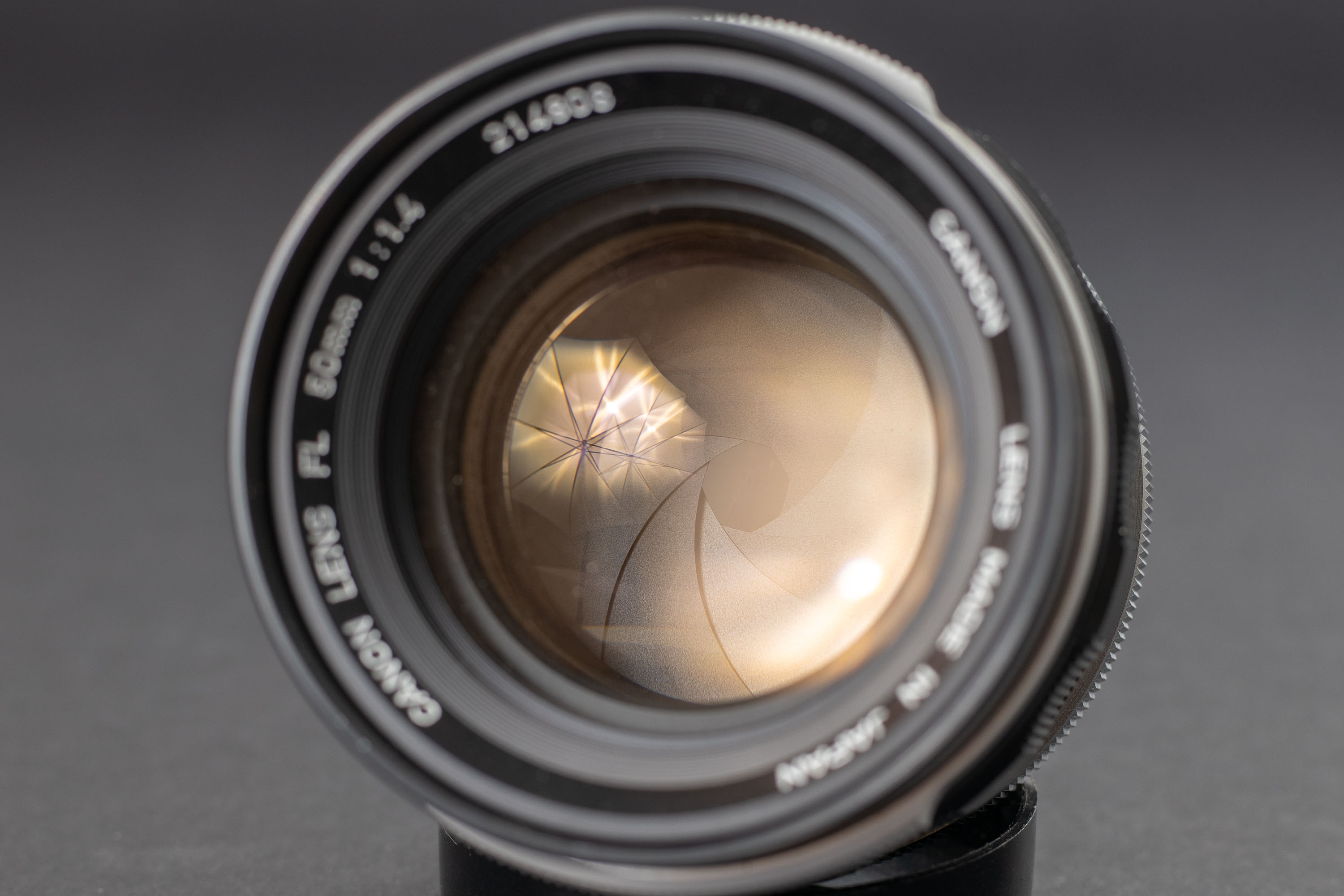
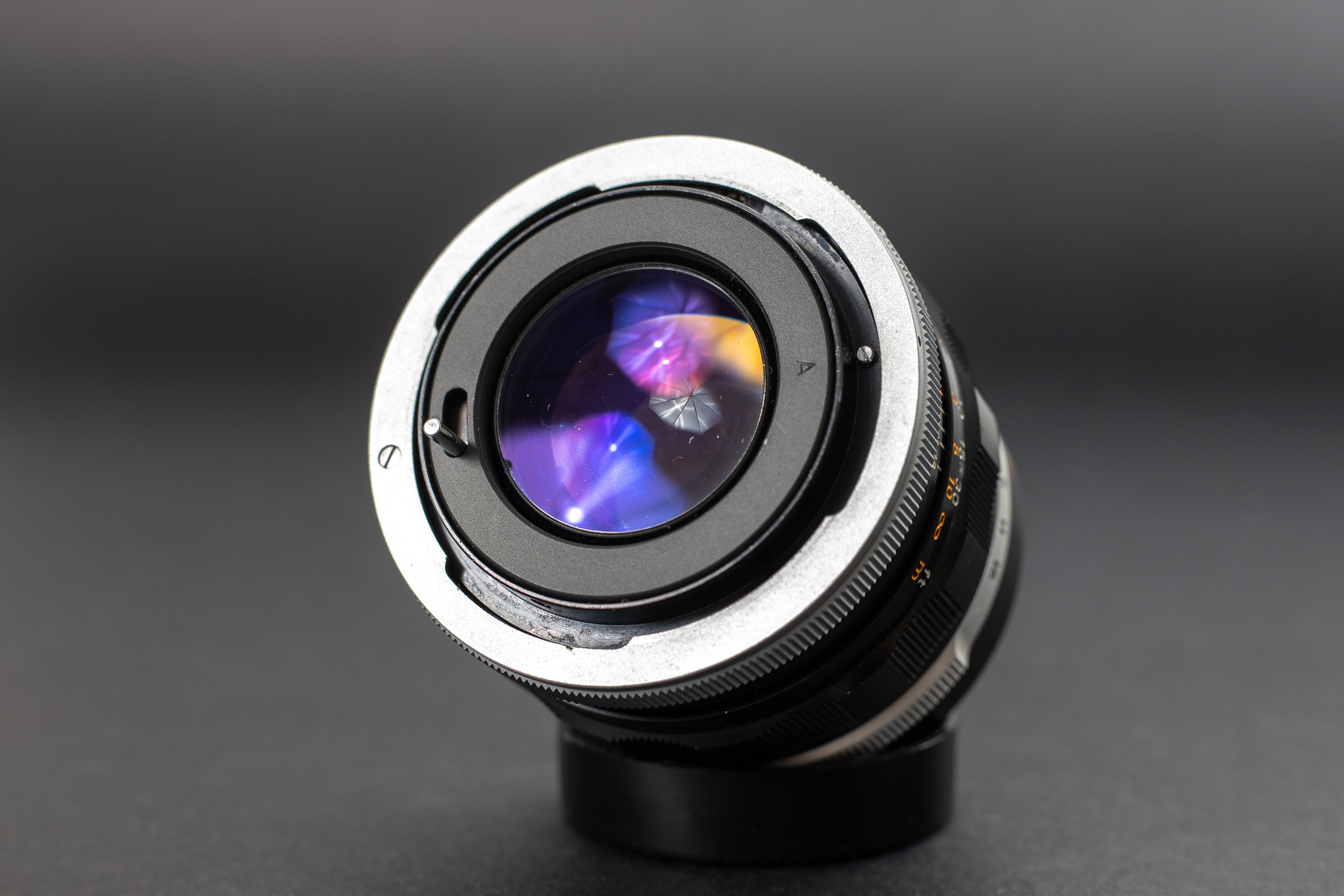
The mechanics are great – the lens is functioning and looking new, even after all these years. I truly appreciate the quality of these older manual lenses – they still work smoothly and give pleasant tactile feedback. The focus is well-damped, and the aperture blades are beautiful and perfectly aligned. The aperture selector ring has a shape similar to the Contarex Zeiss 50mm f2

Unsure whether this is the quality of the lens or the adapter, but the lens reaches infinity right at the infinity hard stop, making landscape photography effortless.
Versions

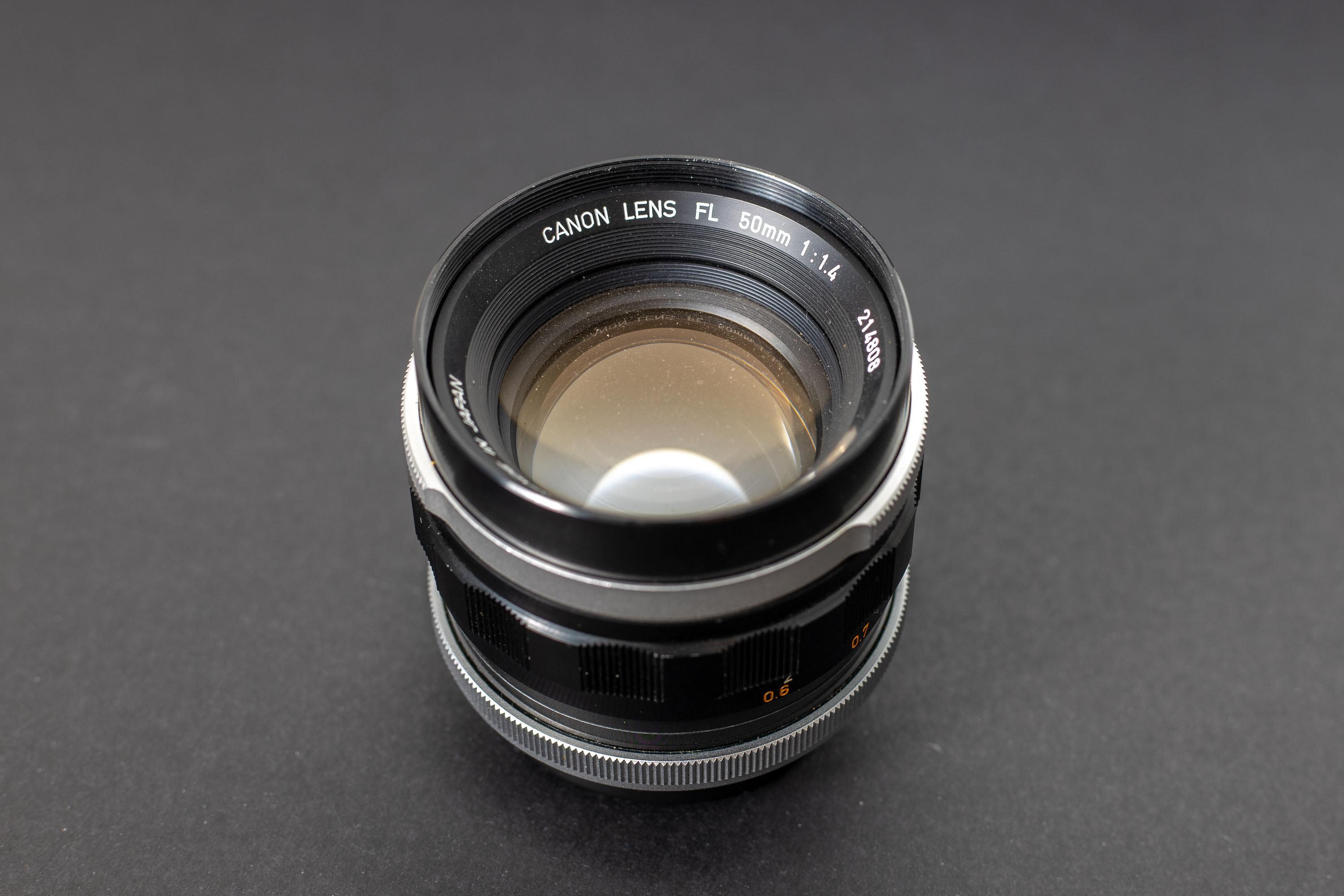
Canon FL 50mm f1.4 came in three versions – this is a review of the second version of the lens. The three versions of this lens significantly differ optically – like three separate lenses.

The first version: Had an Auto / Manual switch ring right next to the aperture setting ring and contained thoriated (radioactive) glass. Lens released in April 1965 with a “six elements in four groups” formula.

The second version: The Auto / Manual switch is now at the rear of the lens, next to the mount lock ring. The lens label carries “CANON LENS FL 50mm f1:1.4“. It was updated on September 1966, now containing the “six elements in five groups” optical formula.

The third version: The Auto / Manual switch is also at the rear of the lens, next to the mount lock ring. The lens has version “II” added to the label as “CANON LENS FL 50mm f1:1.4 II“. Lens was released on May 1968 with the updated “seven elements in six groups” optical scheme.

Performance

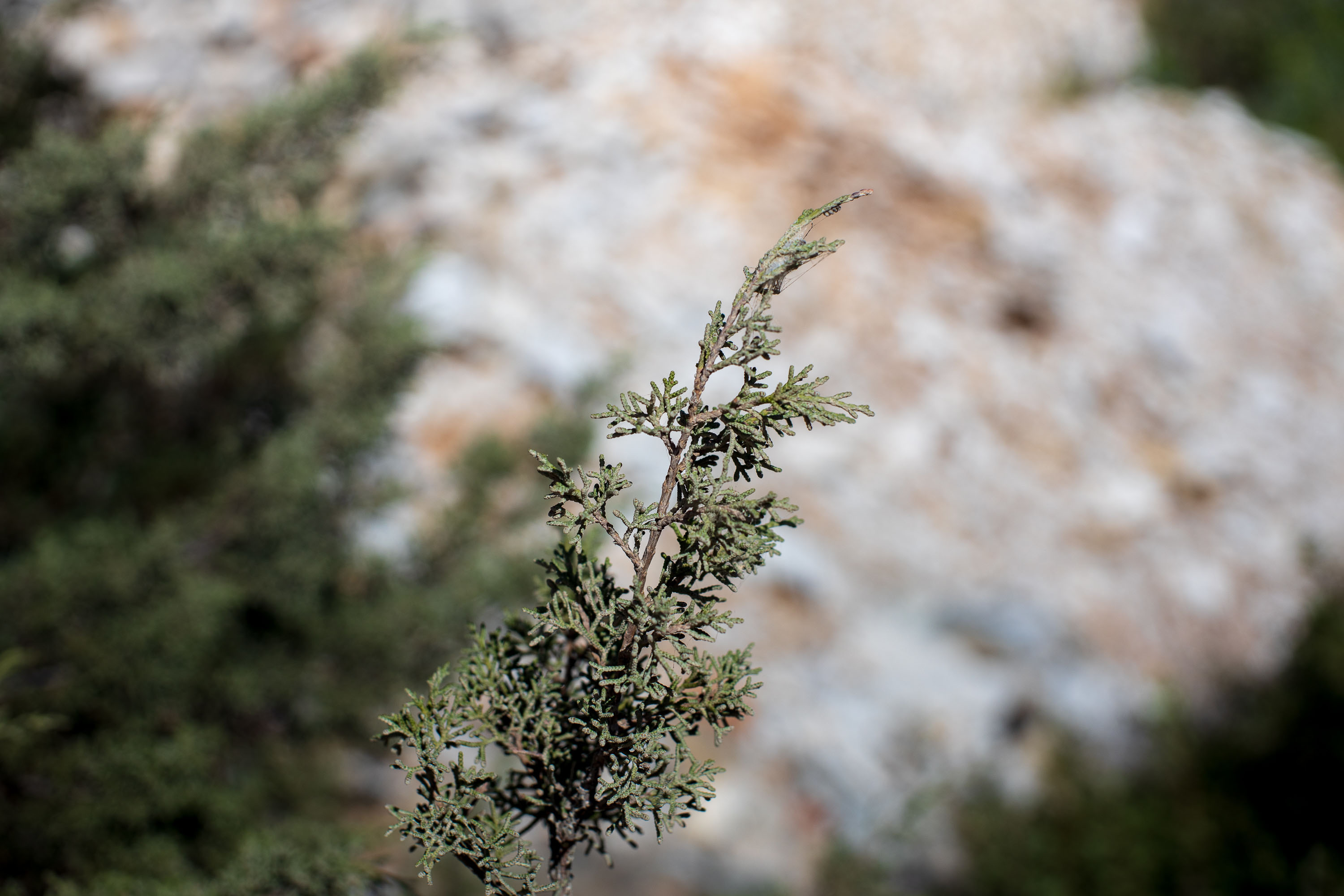
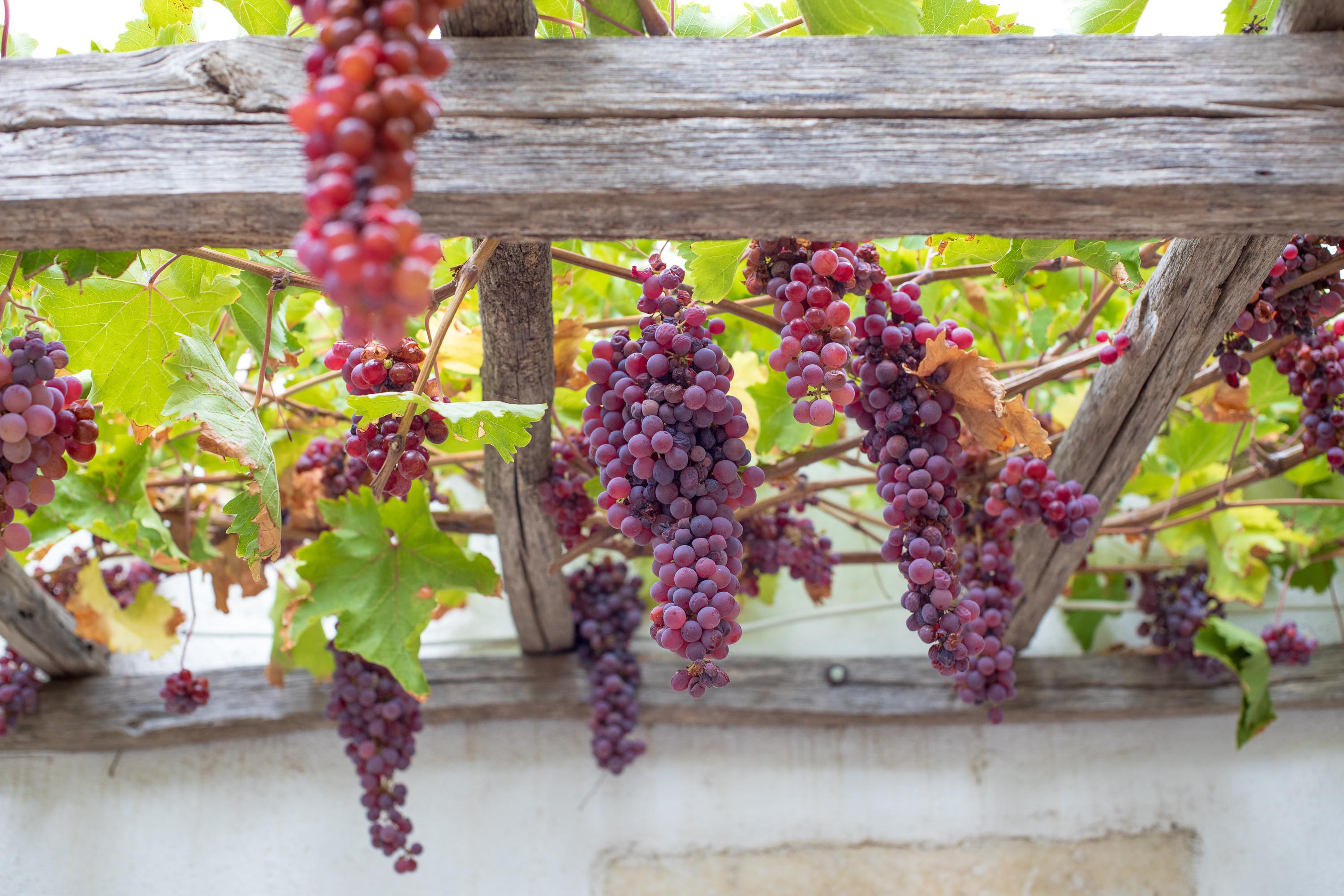
Canon FL 50mm f1.4 is bright and pleasant to use. The lens has enough sharpness for good quality focus peaking – some less sharp lenses don’t trigger the focus peaking – making it difficult to focus even on mirrorless cameras. Shooting at f1.4 produces dreamy, glowy, low-contrast images, majorly affected by spherical aberration – perfect for vintage portraiture but not much else. The background (bokeh) is lovely and smooth. 

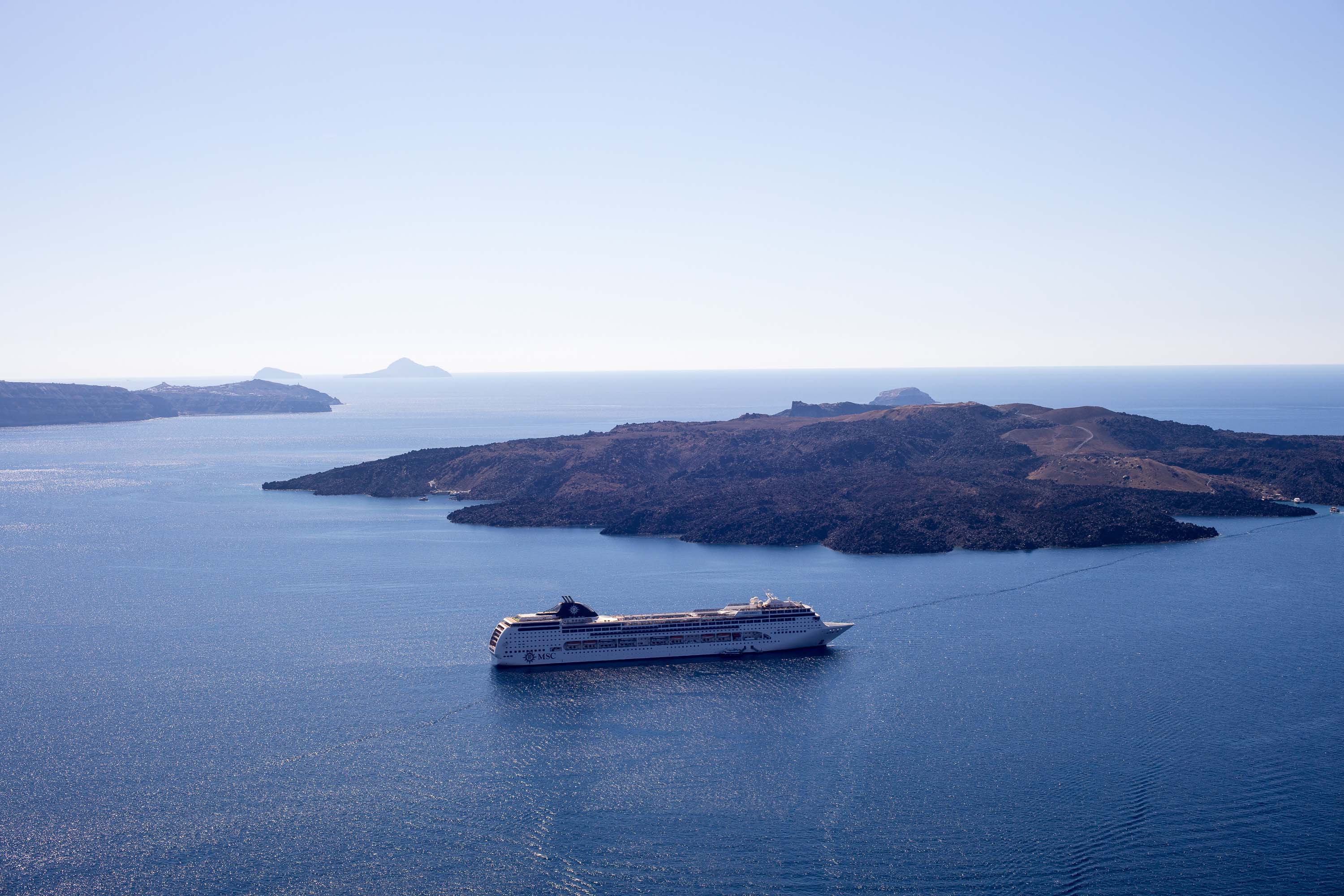
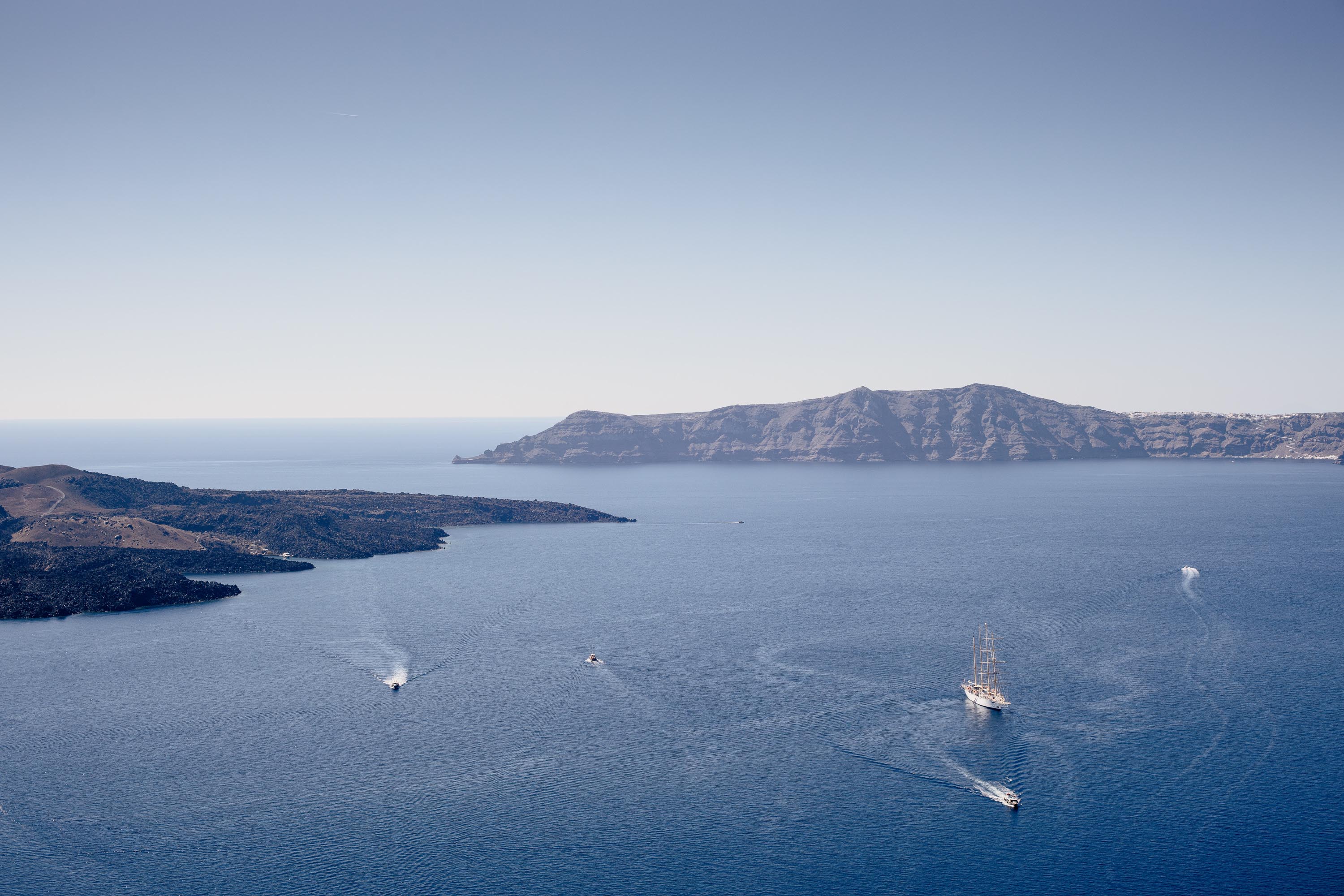
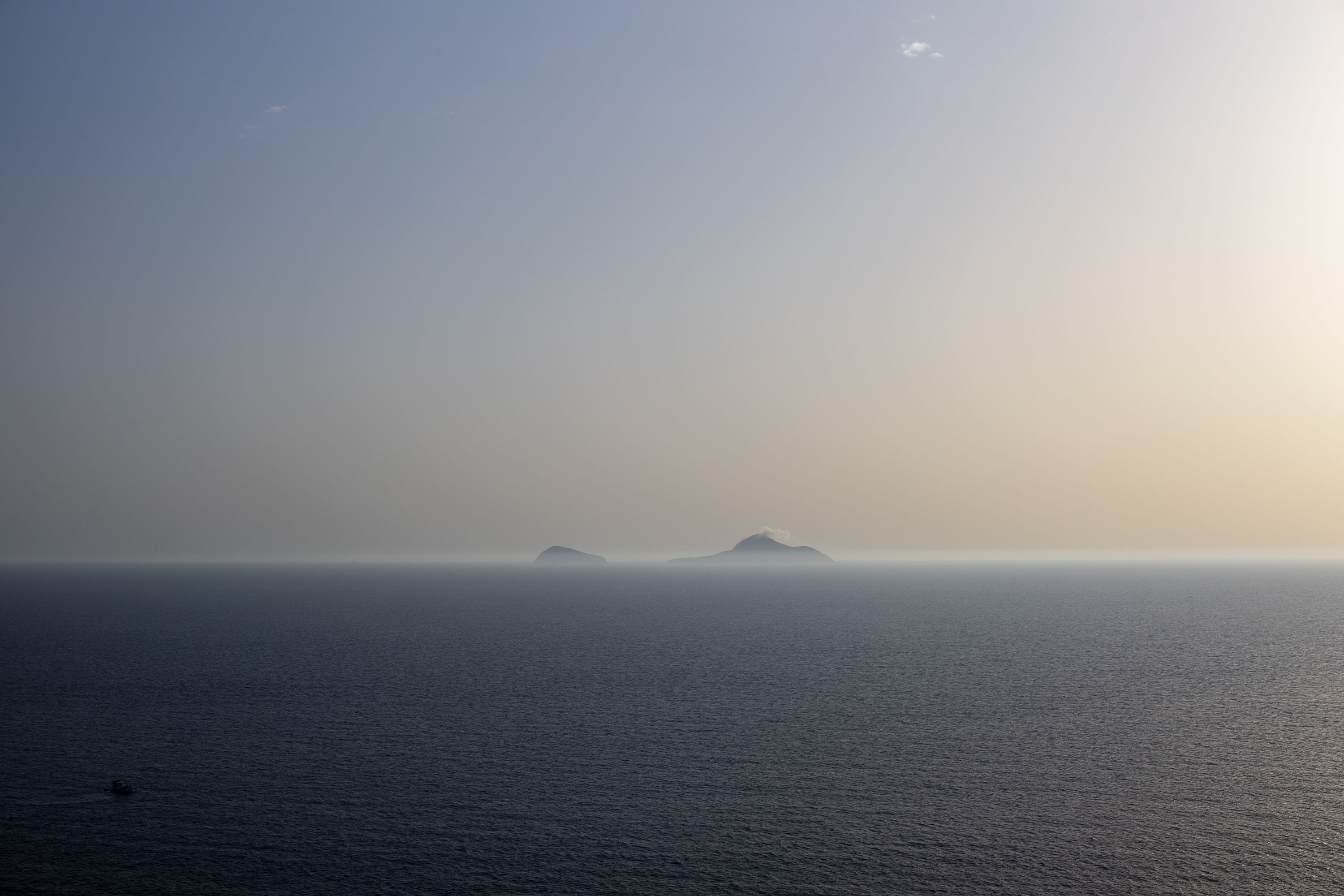
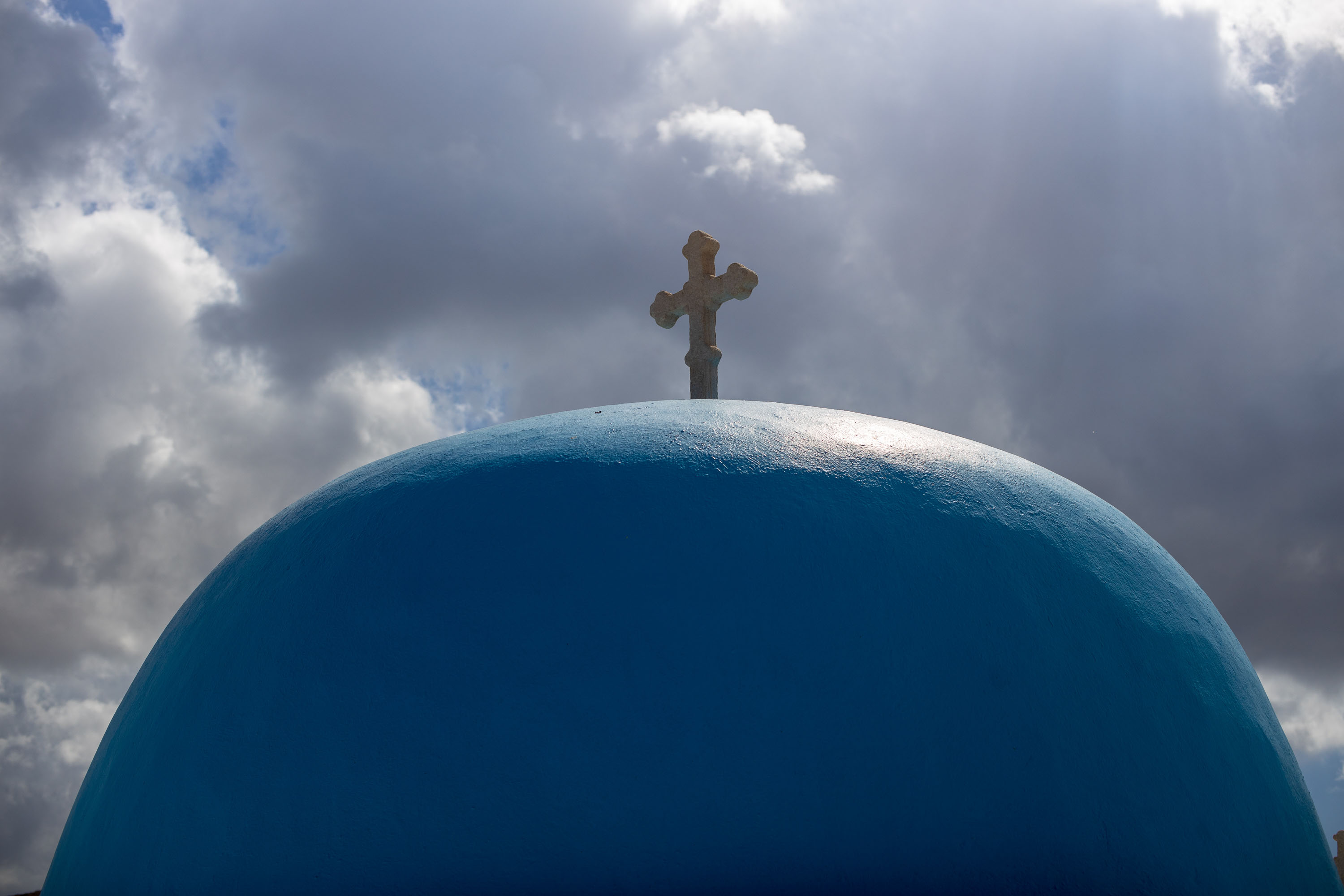
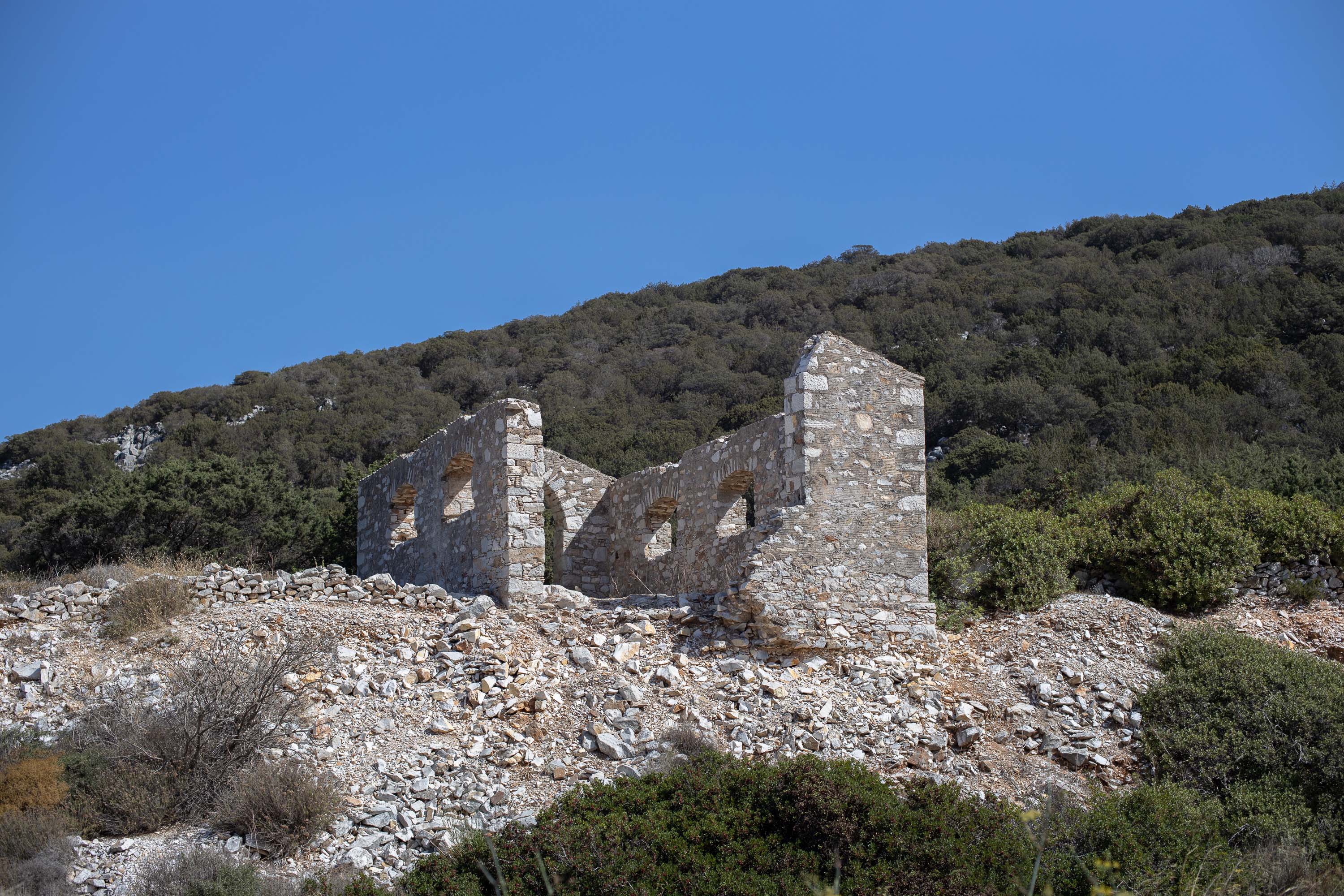
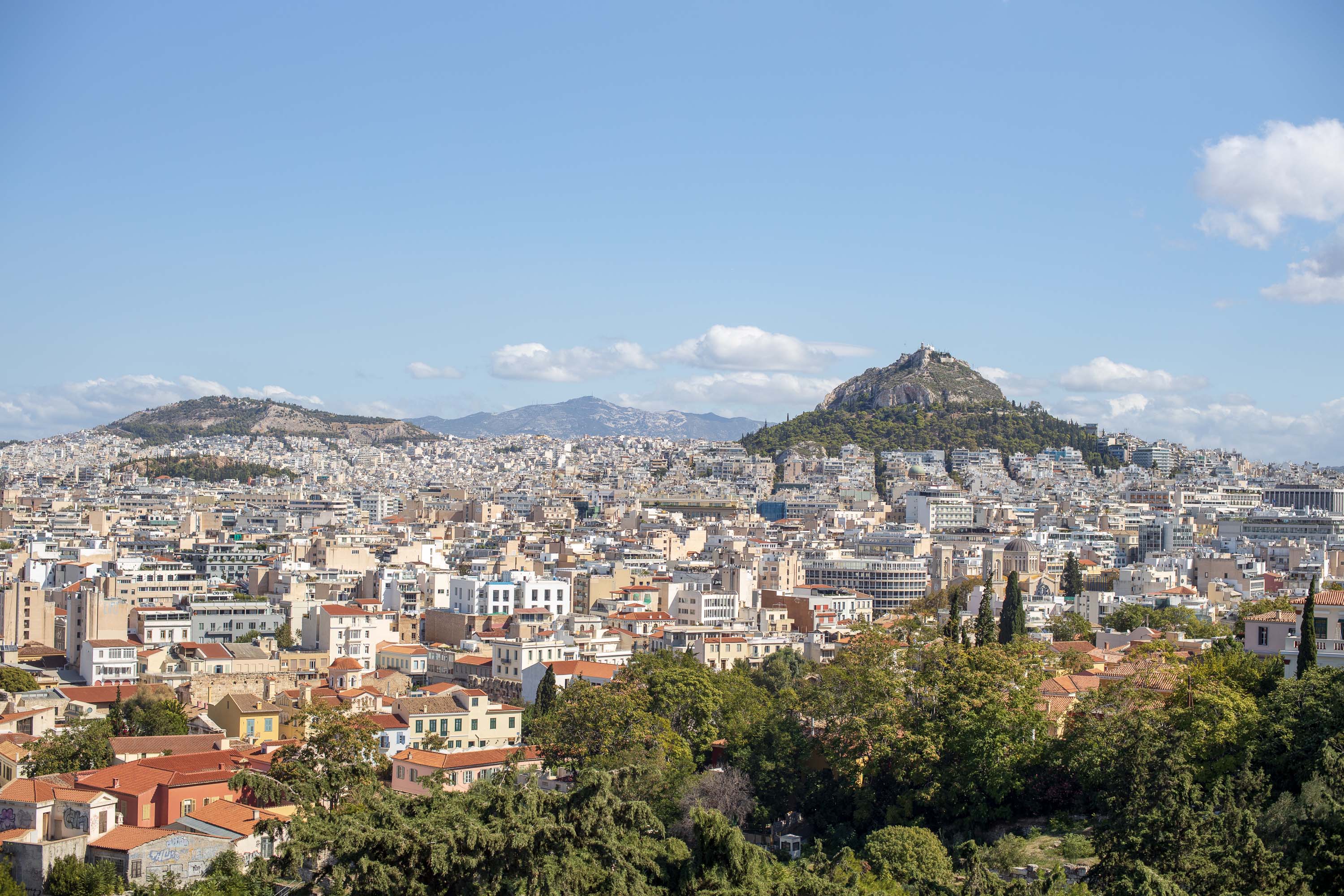
Performance increases sufficiently at smaller apertures and makes it a great walkaround lens. I took the Canon FL 50mm f1.4 to Greece for two weeks and used it exclusively – the images do not disappoint. However, there is a slight lack of contrast or clarity in some of them.

Price

The good thing is that, at least for now, you can find Canon FL lenses for little money. I paid $30 for the first version and $60 for the second version – I bought both on eBay. 

Canon FD / FL to EOS R adapter

Initially, I had the expensive Novoflex adapter – more expensive is only sometimes the best. Sure, the adapter had finely finished metal, but it only partially worked – early FD lenses barely locked into position, and FL lenses do not fix into place. It annoyed me a lot because I risked the radioactive FL lenses coming off the adapter and smashing on the ground – with all the associated consequences.

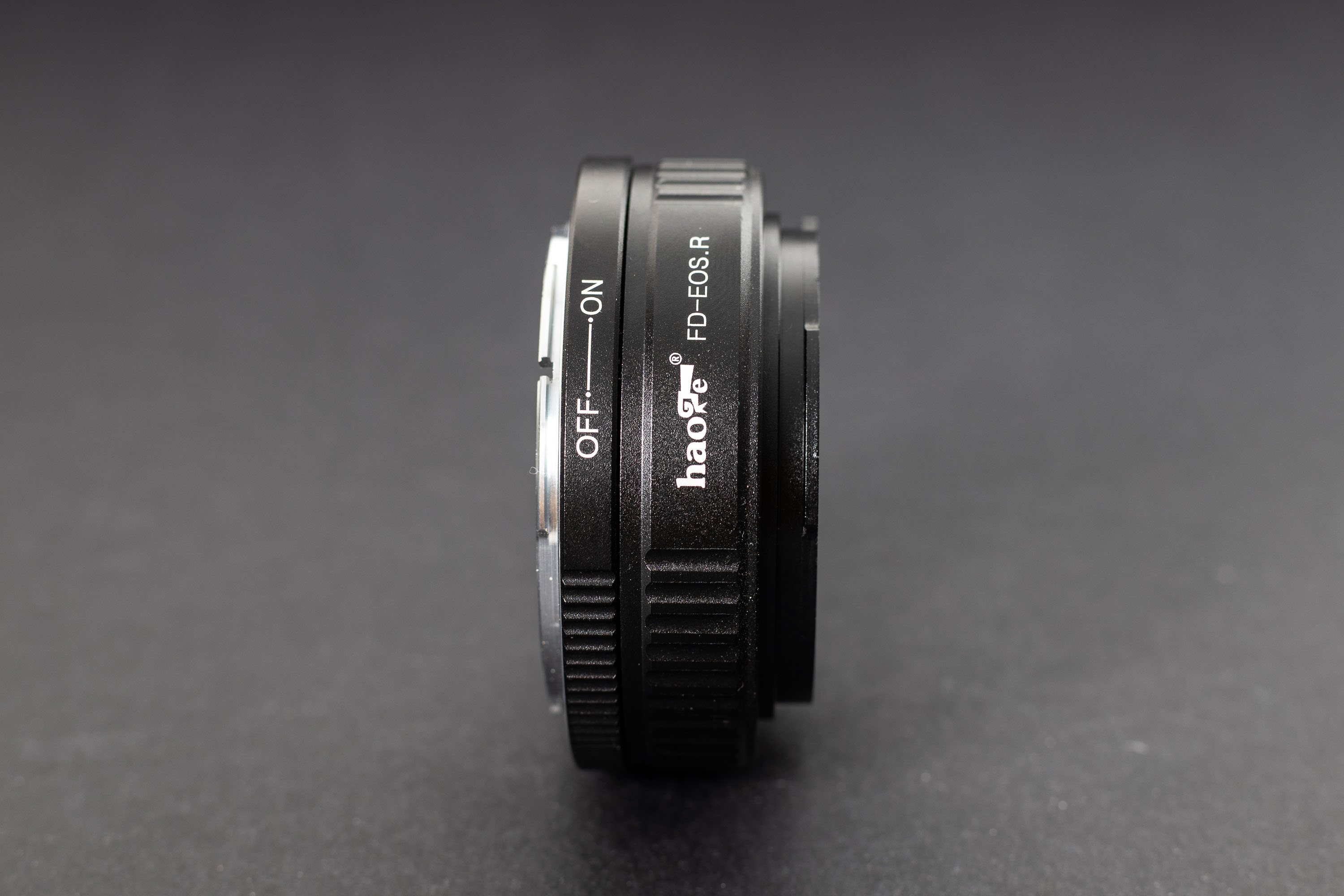
I tried a lot of other adapter brands, but one brand stood out – the Haoge – they make affordable adapters and never let me down. 

I decided to get another FD/FL to EOS R adapter from Haoge, and I was delighted when the FL lenses fit well and, most importantly, locked into position. There is no play; the mounting ring firmly locks the lens into place. The adapter has the manual aperture setting ring, which closes down the aperture – something the Novoflex adapter lacked, even though I do not use this feature.
Specifications (for each version)

Lens construction (Groups / Elements): 4 / 6 (I), 5 / 6 (II), 6 / 7 (III)
Released: April 1965 (I), September 1966 (II), May 1968 (III)
Radioactive: Yes (I), No (II), No (III)
No. of Diaphragm Blades: 8 (all versions)
Minimum Aperture: f16 (all versions)
Filter Diameter: 58 mm (all versions)
Closest Focusing Distance: 0.6m (all versions)
Made in: Japan (all versions)

Pros and Cons

Pros
Solid mechanical build
Different optics for each version of the lens
Price

Cons
Soft and low contrast wide-open

Conclusion

Sometimes it’s not about the absolute resolution or cleanliness of the shot – it’s what you feel when looking at the photos. And most photos taken with this lens feel right. Canon FL 50mm f1.4 (second version) is a reasonably priced, competent lens delivering pleasant photographs. However, it does suffer from lower contrast and decreased sharpness in some scenarios, especially in bright scenes. I rate it 4 out of 5.

Did you like this review? Do you have something to add about this lens? Please leave a comment!

Sample Images

Comments

6 responses to “Canon FL 50mm f1.4 Lens Review”

  1. Søren Skovsø Nielsen Avatar
    Søren Skovsø Nielsen

    Review in very high Class
    Today – I was luchy to find a old Canon Camera With Canon lens FL 50/1.4
    for about 5,5 Dolar’ and –as new!
    So this Review came in right time .. Thanks.

    I also liked the old Mitsubishi – I think Rembrandt also like it. – in Heaven

    Søren Skovsø

    1. Mantas Avatar

      Thank you Søren! Glad you liked it. Your words are my motivation to keep on going!

  2. Lawrence Lee Huber Avatar
    Lawrence Lee Huber

    I have the FL 58mm f1.2 and absolutely love it on my R7.
    Note, some R and FL lens bodies extend a mm or two deeper and hit the adapter aperture lever and will not mount.
    I just ground it off on my Urth adapter.
    For FDn lenses get the separate aperture lock as they don’t lock internally and require the aperture actuator in the adapter without the separate lock.
    I use about 18 R, FL, FD and FDn lenses on my R7.

  3. Mr David Ian Tattersall Avatar

    Thanks for your review , I have a old FL 1.8 (nuke) pardon the pun !
    I like the FD 1.4 , but the FL seems more solidly built .
    The information about the different versions is very useful.
    Haoge lens adapter looks interesting , I will look to see if I can find a Sony adapter for my new toy .
    Thanks Davey

  4. Lawrence Lee Huber Avatar
    Lawrence Lee Huber

    Nice review. I have the 58mm f1.2 and 50mm f1.8 among several other FL lenses.
    Anyone debating getting any FL lens I say get it. I love using mine especially the 135mm f2.5. They give you a unique look and are best in B&W but with color still are amazing. You have photos with character instead of the sterile and soulless clinical look everyone is producing today.
    So worth investing in.

  5. Visaip Avatar

    I think this lens “Canon FL 50mm f/1.4” comes in 2 shapes, 3 versions and no less than 5 variants:
    short shape, recognisable by the narrow focus ring, the “A M” on the ring below the aperture ring
    version 1, variant 1, April 1965
    no special name from Canon, picture missing from Lens Museum
    optical design 6/4, thoriated glass i.e. radioactive
    nameplate: “Canon Camera Co., Inc. LENS MADE IN JAPAN CANON LENS FL 50mm 1:1.4 No.12345”
    this serial number runs (reportedly, couldn’t find the OP) through 3xxxx, which is in line with SimonOL and Tons o Glass’s copy. the highest I could find was 2869x
    Tons o Glass reports that this version has 1 focus cam internally
    version 2, variant 2, Sept. 1966
    called “I”, “(I)” or “mkI”, visually indistinguishable from version 1. That is already very confusing in itself.
    picture on the Canon Lens Museum has serial# 6408x (can’t read the last digit), the mysterious white dot on the A/M ring below the aperture ring (instead of the “A M” letters), the infrared R is missing and, as opposed to version 1, has a DOF mark for f2.8.
    I have looked at a dozen specimen on the internet, serial numbers ranging from 121xx through 83xxx and have NOT find any copy like the one displayed on the Canon Lens Museum’s photo
    optical design 6/5
    the 6/5 formula was introduced in 1966 as an improvement over the 6/4 and (assumption:) probably negated the need to use thoriated glass. The form factor was kept the same and the serial numbering continued. Now it is possible that there was a non-radioactive version 1 or a radioactive version 2, but it is more likely that the use of thoriated glass was tied to the optical formula itself: 6/4 vs. 6/5.
    serial numbering continues (assumption)
    Mine has #3795x and is NOT radioactive. The glass is not yellowed (but that’s just an indication) and proven by my geiger counter that only showed background radiation.
    nameplate same as version 1: “Canon Camera Co., Inc. LENS MADE IN JAPAN CANON LENS FL 50mm 1:1.4 No.12345”
    serial numbers could indeed run from 3xxxx. That includes my copy (#3795x which is not radioactive and has two focus cams internally) and the Lens Museum one (#6408x). We’ll probably need a couple more votes here to define the split.
    tall shape, recognizable by a wider focus ring and the A/M switch ring just above the breech lock ring. the front element is also a bit larger in diameter than the version 1 and 2. this is the most common form (and if you look a the serial numbers and production periods, that’s not a surprise – there were a lot more produced for a much longer period).
    version 3, May 1968
    version 3 actually comes in 3 variants which is very confusing
    called “II”, “(II)” or “mkII”
    optical design 7/6. I don’t know if any of these are radioactive but haven’t found any report that they were (but that’s no proof). it is also reported that the design was reused in the FD 50/1.4 (chrome nose and SSC versions) and in the FDn 50/1.4, neither of which are reported radioactive.
    serial numbering is reset, but continues through the variants below (assumption)
    variant 3
    this is the original version 3 variant with “II” in the name plate (makes sense, eh?)
    nameplate “Canon Camera Co., Inc. LENS MADE IN JAPAN CANON LENS FL 50mm 1:1.4 II No.123456”
    serial numbers run through around 1536xx
    variant 4
    at some point, between serial number 1536xx and 1549xx (I found photos of both), the “II” was dropped in the nameplate
    nameplate “Canon Camera Co., Inc. LENS MADE IN JAPAN CANON LENS FL 50mm 1:1.4 No.123456”
    this is a source of confusion because some might think that, without the “II”, this version is earlier than the first version 3 1968 mkII (variant 3), or the version 2 (instead of the version 3).
    variant 5
    to add to the confusion, after another ~10k lenses produced, between serial number 1576xx and 1624xx Canon decided to drop the “Canon Camera Co., Inc.” and go for the shorter “CANON” – there are other lenses around where this change was made.
    nameplate “CANON LENS MADE IN JAPAN CANON LENS FL 50mm 1:1.4 123456”
    serial numbers (that I could find) ranging from 1624xx through 2757xx, but there may be higher numbers.
    so this is the most common form
    The most common error (what I now think) is that the variant 4 was seen as the original version 3 and some thought that the variant 3 was a later variant/version with serial number counting reset. Also, the Canon Lens Museum has anomalies (“surprise!”) because, in addition to the mystical photograph on the variant/version 2, it states in the description of the version 3 that “A newly designed high performance standard lens to replace the FL50mm f/1.4 (marketed in April, 1965. 6 elements in 5 groups, Gauss type).”, which is clearly wrong because the April 1965 first version was a 6/4. That’s what started this whole discussion, right?

    Of all of the above I’m pretty certain after looking at dozens of specimen on the internet and all of it makes a lot of sense now, but only if the serial numbers are contiguous. I’m also 100% certain that my copy #3795x has the version 1 form factor, has two focus cams and is not radioactive, which led me to believe it is actually a 1966 version 2 6/5. However, it could still be a version 1 6/4 that is not radioactive, if these ever existed… It is also very strange that I have found NO examples in the real world that have the dot instead of the “A M” text on the ring below the aperture – it seems a ghost photo on the Lens Museum* site. It is of course also possible there is more crossover between the 6/4 and 6/5 designs (particularly as there doesn’t seem to be a mechanical difference) and thoriated/non-thoriated glass. We’d need more measuring points, people who are good at counting reflections (not me) or taking them apart – which, for a copy with thoriated glass, can be tricky.

Leave a Reply

Your email address will not be published. Required fields are marked *